

Watch movies and TV shows online











Featured movie
Dune: Part Two
2024 · Science fiction · Adventure
Return to Arrakis for the next chapter of Paul’s journey.
Watch now opens viewing choices on JustWatch.
Trending films & series
View allDune: Part Two
2024 · Movie
House of the Dragon
2022 · TV Series
Interstellar
2014 · Movie
Silo
2023 · TV Series
Latest movie releases
View all
The Housemaid
2025 · Movie

Dhurandhar
2025 · Movie

Bāhubali: The Epic
2025 · Movie

Frankenstein
2025 · Movie
TV series to follow
View allHouse of the Dragon
2022 · TV Series
Silo
2023 · TV Series
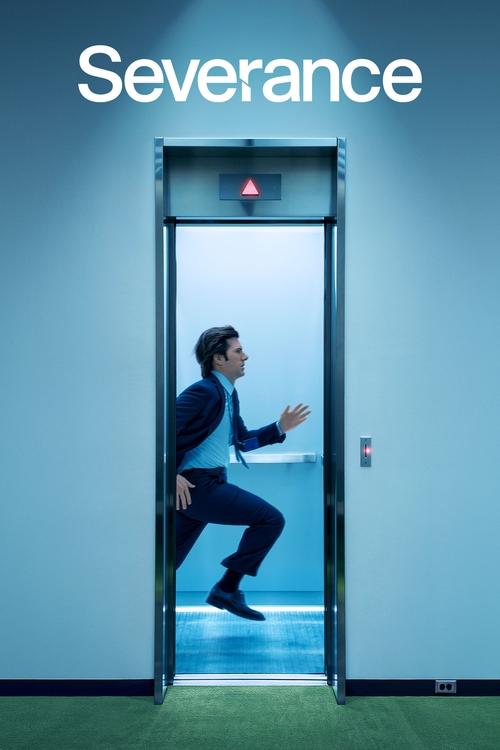
Severance
2022 · TV Series

SPY x FAMILY
2022 · TV Series
Browse by genre, language, and year
Top-rated catalogue picks
View all
Frieren: Beyond Journey's End
2023 · TV Series

One Piece
1999 · TV Series

Demon Slayer: Kimetsu no Yaiba Infinity Castle
2025 · Movie

Rick and Morty
2013 · TV Series
UHDMovies guides
All guides →UHDMovies app and browser access
Use UHDMovies on your phone or computer, save films locally and choose a viewing application for playback.
Read guide →UHDMovies downloads, storage and offline editions
Prepare a movie for offline viewing and distinguish a film bookmark, a provider download and a file-size label.
Read guide →UHDMovies new domain and website access
Recover a movie from an old UHDMovies address and separate domain changes from problems with an individual page.
Read guide →UHDMovies not working: picture and playback help
Work out whether a problem comes from the catalogue, a viewing link, your connection or the selected video player.
Read guide →Movies, series and better viewing choices
UHDMovies: find your next film, then find the edition you want to watch
Some evenings begin with a title. Others begin with a picture you want to get lost in, a language you want to hear or a series you have finally found time to start. UHDMovies brings those decisions together without making you choose between a useful movie catalogue and an understandable guide to the formats around it.

Watch movies online with a clearer starting point
When you already know the film, the large search is the shortest route into UHDMovies. Enter its name, open the matching result and compare the release year with the production you remember. This is especially useful for remakes, sequels and movies that share a short title. A familiar poster can help, but the name and year together make a better starting point than artwork alone.
When you do not know what to watch, begin with the visible posters. The opening selection brings films and television into the same browsing space while keeping their formats labelled. Move into Movies for a feature-length watch or TV Shows for a programme you can return to. You do not need to commit to a subscription or create a UHDMovies account to explore these catalogue pages.
The interesting part comes after you find something promising. Read the introduction, check the language and genre, and ask whether this is the kind of evening you want. A visually expansive science-fiction film is a different choice from a compact comedy or a series with a long-running mystery. Picture specifications can help you choose an edition; they cannot choose your mood for you.
Use My List when two or three titles survive that first look. Keeping a short set of genuine possibilities is more useful than opening twenty tabs and forgetting what attracted you to each one. The saved list makes it easy to return to a film before opening its viewing choices. Your next watch should feel like a decision you made, not simply the last poster you happened to scroll past.
The UHDMovies catalogue: films first, format details alongside
UHDMovies gives English-language movies, Hindi cinema, Tamil and Telugu productions, Japanese animation and television clear entry points. The collections describe the productions they contain. This matters because the original language of a movie and the languages offered by a particular viewing edition are not always the same. A Telugu production can have a Hindi dub without becoming an original Hindi film.
The catalogue also keeps a movie distinct from a television programme. A series page represents the show, while the selected viewing application provides its season and episode choices. A film page represents a specific production rather than every item in its franchise. Those distinctions are small on the screen but important when you are looking for the second chapter of a story rather than its beginning.
Alongside those titles, the quality shortcuts answer the questions that often follow a movie search. What does 2160p HEVC mean? Is 1080p 10Bit the same thing as HDR? Does dual audio include Hindi? What should you expect from an IMAX-labelled home edition? Open the relevant guide when the term matters to your decision, then return to the film with a clearer idea of what to compare.
The film records and format guides serve different purposes. A record helps you identify the production. A guide helps you understand a viewing choice. The picture, sound and language details of the offer you select belong to that specific offer. Keeping those steps separate lets you browse confidently without treating every label in the navigation as a promise attached to every poster.
From a poster to tonight’s movie
Start by opening one title that catches your attention. Read enough of its description to understand the premise without turning the search into a plot summary. Then compare its genre and production year with what you wanted. If you were looking for a recent science-fiction film and have opened a much older television programme, return to search before spending time comparing picture formats.
The Watch now action opens viewing choices on JustWatch in a new tab. Choose your viewing country to make that search relevant to where you are watching. Open the matching film or show there and inspect the available offers. If several productions have similar names, take the year and format from the UHDMovies page with you rather than selecting the first result automatically.
This is also the point to consider the edition. Look for the audio you want to hear, subtitles you can read and picture support appropriate for the screen you will use. If the offer needs a particular application or plan, decide whether it suits the evening before beginning. A title that is easy to identify should not become difficult to enjoy because the language choice was left until the opening dialogue.
If the first offer is unsuitable, keep the film on My List and compare another option or choose your second movie. A saved title is a useful reminder even when you do not watch it tonight. The catalogue remains open in its original tab, so you can return to the description or move to a different collection without losing your place in the browsing session.
Dune, Interstellar and an evening built around science fiction
A large screen can make science fiction especially inviting, but the story order still comes first. Dune and Dune: Part Two are separate films in the catalogue. If you are beginning that journey, start with the earlier chapter rather than choosing the later poster simply because it looks newer. If you already know the first film, the second gives you a clear next title to investigate.
Our featured Dune: Part Two panel sits below the opening catalogue rather than replacing it. You can choose that film immediately, inspect its details or continue comparing other movies. A feature is an invitation to look, not a reason to hide the rest of the catalogue. The surrounding options make it easy to decide that tonight calls for something other than a desert-scale adventure.
Interstellar suggests a different kind of science-fiction evening. Give a longer film enough room in your schedule, set a comfortable listening level and decide whether subtitles would help you follow its conversations. The Interstellar guide connects that specific production with questions about editions and framing, so a search for UHDMovies Interstellar does not stop at a loose quality label.
Arrival and Inception provide further directions to explore. Do not assume that sharing a broad genre makes these films interchangeable. Compare their introductions and choose the premise that interests you. Save the others for another night. A good science-fiction list can hold several different kinds of curiosity without requiring a marathon or a claim that every film is available in the same technical format.
HD streaming, 1080p and 4K: choose a picture that fits
HD streaming describes a broad viewing expectation, not the whole quality of an image. A clear, stable Full HD picture can be satisfying on a suitable screen. A higher-resolution option can offer more detail when the source, edition and playback setup support it. Neither choice is useful if you spend the entire film waiting for the picture to recover from interruptions.
When people compare 1080p streaming with 4K streaming, they are primarily comparing picture dimensions. A conventional Full HD frame is 1920 by 1080 pixels, while consumer 4K commonly uses 3840 by 2160. Those numbers do not identify the spoken soundtrack, subtitle languages or dynamic-range format. They also do not tell you how carefully a particular edition has been prepared.
Choose the offer using the screen you will actually watch. A television across the room, a laptop on a desk and a phone in your hand do not create identical viewing conditions. Screen size, viewing distance and connection stability all influence which differences matter to you. The goal is a picture that serves the film comfortably, not a specification chosen without looking at the result.
Begin with the application's recommended or automatic quality setting when that is appropriate. If it supplies other supported choices, compare them without repeatedly changing several settings at once. Check subtitles and sound as part of the same short test. Once the film is clear, readable and steady, let it play. The 4K HDR guide is there when you need more detail, not as homework before every movie.
2160p HEVC, H.265 and x265 without the confusion
A phrase such as 2160p HEVC combines two kinds of information. The resolution describes the picture dimensions. HEVC identifies the coding standard, also known as H.265, used to represent the moving image in compressed form. Reading them separately prevents a common mistake: assuming that the codec name is another step above 4K on a single quality ladder.
The x265 name concerns an encoder associated with HEVC. It does not create a new screen resolution or guarantee that a particular copy looks better than every alternative. Encoding choices and source quality still matter. A description can contain impressive technical words while leaving unanswered the practical question of whether the offered edition will work well in your chosen application.
Compatibility deserves attention before the film begins. A device can display a website yet depend on a different application and playback path for video. Use the instructions for the service and equipment that will play the film. UHDMovies browsing on a computer does not establish what an unrelated Smart TV application can decode or which picture settings it exposes.
The useful approach is to check one complete viewing combination. Identify the film, inspect the offered resolution and format, confirm the language choices, then use a supported device. If that combination works, there is no need to collect every possible codec term before watching. If it does not, the 2160p HEVC guide helps separate the format question from an access, audio or connection problem.
4K HDR, Dolby Vision and the difference between detail and brightness
High dynamic range is a different property from resolution. A 4K label describes dimensions; an HDR description concerns the supported representation of brightness and colour. A viewing offer may include one without the other. Look for the actual picture information supplied with the edition rather than assuming that UHD, 4K and HDR always travel together.
Dolby Vision is a picture technology, while Dolby Atmos concerns sound. They can appear beside one another in an offer, but one label does not establish the presence of the other. This distinction becomes important when you care about both your television and your sound setup. Read their support requirements separately, then consider the whole playback path rather than the movie title alone.
Do not dismiss standard dynamic range because another option sounds more advanced. A properly supported SDR presentation can be the sensible choice when the available HDR format does not suit your application or display. An unusually dark, flat or washed-out image deserves investigation. It is not automatically evidence that the film itself was intended to be difficult to see.
Give any comparison a fair setting. Watch from your usual seat, use familiar room lighting and avoid adjusting several unrelated television controls at once. If you change a picture mode, compare a short section and decide whether it improves the experience. The most useful choice is the one that renders the edition comfortably on your equipment, not the one with the longest collection of badges.
Why 1080p 10Bit still belongs in the conversation
Not every satisfying movie night begins with a 4K edition. Full HD remains a practical choice for many screens, viewing distances and connections. The phrase 1080p 10Bit brings colour bit depth into that discussion. It does not turn a 1080p picture into 2160p, and it does not make HDR an automatic part of the edition.
Bit depth concerns the numerical levels available to represent picture components. The visible result still depends on the source, encoding and display. Smooth transitions in skies, shadows or animated backgrounds can be revealing when comparing actual editions, but a label alone cannot restore detail that was never present. Judge the picture you can watch rather than a description detached from it.
Animation is a useful reason to understand the distinction. Clean line work, stable movement and broad areas of colour can make picture problems noticeable in ways that differ from a busy live-action scene. That does not mean every animated film requires the largest available file or a particular bit-depth claim. It means you should look at the result and choose a supported edition.
If Full HD plays smoothly and looks comfortable, enjoy it. Repeatedly restarting a movie to pursue a format your setup cannot deliver is rarely a good trade. Our 1080p 10Bit page explains the terminology when you encounter it, while the catalogue stays focused on the film or programme you wanted in the first place.
IMAX searches, changing frames and the home edition
An IMAX movie search often begins with a memory of a cinema experience. You may remember an especially large image, a different shape to certain scenes or the impact of a theatrical presentation. A home viewing offer needs to be examined on its own terms. A film's theatrical history does not establish that every later edition has identical framing or sound.
Aspect ratio describes the shape of the picture. Some presentations change shape between sequences. Black bars are not automatically an error, and removing them by stretching or zooming can alter the composition. Before changing the television, look at the edition description and use the display's normal fit setting as a starting point. Faces and objects should not need to become distorted to fill every edge.
Framing and running time are also separate questions. An expanded picture area does not necessarily mean an extended cut with additional scenes. If a particular version matters, compare the edition name and duration as well as its picture information. This is more useful than treating IMAX as a universal synonym for the longest or highest-resolution version of any movie.
The UHDMovies IMAX guide gives these searches a dedicated home. Use it alongside a specific production such as Interstellar, then inspect the viewing offer that is available to you. You can care about presentation without assuming that the same framing, audio or edition exists on every service or in every viewing country.
REMUX, Blu-ray and WEB-DL: read the edition, not just the acronym
Source and packaging labels can crowd a movie description before you have even reached its name. REMUX, Blu-ray and WEB-DL concern aspects of an edition or its claimed source. They are not genres, languages or guarantees about your current stream. Start by finding the correct production, then decide which of those details is relevant to the way you intend to watch.
Remuxing concerns the packaging of existing media streams rather than the creation of additional image detail. It is different from re-encoding the video. The underlying source still matters, and the presence of a label does not establish that every soundtrack or subtitle you want is included. Our REMUX and source guide explains the distinction without making you learn a production workflow.
File size is another incomplete comparison. A longer film can require more data than a shorter one. Additional soundtracks can change storage requirements without improving a particular shot. When an application offers an offline copy, its own size estimate is a practical planning tool. A guessed number attached to all 4K films is not.
Keep the movie on My List independently of any edition you eventually choose. A film can remain worth watching even when an old file description or offer is no longer useful. The title and year give you a dependable way to find the production again, while download management and playback settings remain with the application providing that edition.
UHDMovies dual audio: Hindi, English and the performance you hear
Dual audio is useful when people watching together prefer different spoken languages, or when you enjoy switching between an original performance and a dub. The phrase describes an edition with two audio tracks. It does not tell you which two languages are included unless the edition specifies them. Check the track names rather than assuming Hindi and English from the label alone.
For a Hindi dubbed Hollywood movie, first locate the English production you want. Keep its title and release year intact when you open viewing choices, then examine the language options. A translated title may help you recognize it, but a different production with a similar story is not the same film. A dub changes the spoken performance over that production; a remake creates another production.
Sound format and spoken language should also be read separately. One audio track may have a different available presentation from another. Choose the language you can comfortably follow, then inspect the supported sound options for your equipment. A surround label is not a reason to select dialogue that makes the story difficult to enjoy.
The dual audio guide connects Hindi, English and regional-language questions in one place. After selecting a track, listen to a short conversation and set subtitles if needed. Making that small choice before the film settles into its story is easier than interrupting an important scene to discover which menu changes the voices and which one changes only the text.
Bollywood, Telugu and Tamil: different collections, more ways into a film
Use Bollywood movies when your starting point is an original Hindi production. The collection includes films such as 3 Idiots, giving you a recognizable title to inspect before comparing viewing options. An original-language collection is about the film itself. It does not need to borrow every English or regional production that might also have a Hindi dub.
The Telugu collection and Tamil collection give those productions their own entrances. Kalki 2898 AD and Maharaja are useful examples of why a broad South movie label is not always enough. Keep their individual titles and original languages clear, then decide which offered soundtrack you want for the watch.
If you remember only a translated name, try it in search and compare the original-title field when a result appears. Remove extra quality, size or download wording if the initial query is too restrictive. A film can be discussed under several descriptions without becoming several unrelated productions. Release year and format help resolve the uncertainty.
This is also a good way to expand beyond one familiar collection. Save a regional production whose premise interests you, then inspect available captions or dubbed audio before committing to it. You do not need to erase the original identity of the film to make it approachable. Choosing a language combination that works for you can open up the catalogue while keeping each production easy to recognize.
Multilingual subtitles that help you stay inside the story
Subtitles and spoken audio answer different needs. You may want original voices with translated text, a dub accompanied by captions in the same language, or text that helps you follow quiet conversations. Choose the combination deliberately. A list of subtitle languages does not establish that all of those languages are also available as spoken tracks.
Descriptions sometimes use Esubs as shorthand for English subtitles. Treat it as a reason to inspect the actual track list, not a substitute for doing so. Different viewing editions can offer different text options. Select the track supplied with the film or episode you are watching, and make sure it covers the amount of dialogue you need.
A forced subtitle track can translate only selected passages. If you expect every conversation to appear as text and much of it is missing, try a fuller available track. If timing seems wrong, check that you are watching the expected cut before adjusting anything. An extended or differently edited version can have timing differences that a simple title match does not resolve.
When customization is supported, set size, outline and background from your normal viewing position. Bright desert scenes and dark interiors can make different text settings easier to judge. Comfortable captions should be readable without dominating the picture. The subtitle guide covers these choices so a language preference can improve the watch instead of becoming another interruption.
Dialogue, surround sound and Dolby Atmos
Start an audio decision with the voices. Can you follow an ordinary conversation at a comfortable listening level? If not, inspect the player and equipment options before turning the volume up repeatedly. A film with powerful effects should not force you to choose between missing dialogue and making every sudden sound uncomfortable.
Television speakers, headphones and a connected receiver are different listening setups. Use output settings suited to the equipment that is actually connected. More channels listed in a description do not guarantee a better result on every device. A compatible presentation you can hear clearly is preferable to a setting selected only because it sounds more elaborate.
Dolby Atmos adds another compatibility question. The film's offered soundtrack, application, playback device and connected sound equipment all matter to the result. Do not use a picture badge as evidence about sound, or a movie's theatrical reputation as evidence about a specific home offer. Inspect the relevant information where you choose the edition.
For a late watch, look for a dialogue or night-listening setting if your equipment supplies one. Try it with the same short scene before deciding whether it helps. Headphones can be another practical choice when they suit the playback setup. Our sound guide keeps these questions together, including what to check when audio disappears after moving from one output device to another.
TV shows online: choose a programme you want to return to
A series asks for a different kind of commitment from a movie. You may want one episode after work, a story to follow over several evenings or something to watch with another person at a regular time. Begin with the programme's introduction and broad genre. Do not select a long-running mystery simply because its poster happens to appear beside an action film you enjoyed.
The English TV series collection includes starting points such as Silo, Severance and House of the Dragon. Open their individual pages to compare the premises before choosing. They offer different kinds of worlds and questions, even when all three seem suitable for an evening on a large screen. The right choice depends on the story you want to spend time with.
A programme's year usually identifies its beginning, not the release year of every subsequent chapter. When searching for a recent season, try the show name without a restrictive year filter first. Once you reach the viewing page, inspect the available seasons and episode numbers. That prevents a remembered episode date from hiding the programme you actually wanted.
Save the show on My List as a return point. The list remembers the programme you selected, while episode progress belongs to the application playing it. If you change devices, retain the series name and season number you need. Keeping those two pieces of information clear is more useful than expecting a saved poster to act as a synchronized viewing history.
Web series, latest episodes and complete-season searches
A web series search can be very specific. You may be looking for a newly discussed programme, the next episode after a cliffhanger or an entire season to watch during a trip. Keep those goals distinct. A programme being present in the catalogue does not tell you that a particular episode has been released or that every season is included in one offer.
Use the web series page to move between named programmes and practical season questions. It also includes a viewing search for the 2024 Presumed Innocent programme. Keep that series separate from the older film with the same name. Format and production year are especially useful when a familiar title has returned in another form.
For latest episodes, inspect the selected service's current list. Release order, numbering and availability can differ from the order in which you encountered clips or discussions. A complete season describes one group of episodes; it does not necessarily describe the complete history of the show. Confirm the chapter you need before planning an uninterrupted evening around it.
For a shared watch, agree on the episode number before pressing play. If one person is further ahead, a programme description is a better starting point than a detailed recap of later developments. Save the show here, keep playback progress in the viewing application, and use the catalogue to find the next programme when that season is finished.
Anime movies and programmes: make room for a different kind of image
Japanese animation offers another route through UHDMovies. The anime movie collection separates animated features from programme records, so you can choose a complete film when you have one evening available. Akira and Ghost in the Shell are recognizable starting points to inspect by name and year before comparing their viewing editions.
For a programme, explore entries such as SPY x FAMILY and Frieren. Read the premise and decide whether you want a continuing story rather than a single feature. When a franchise has films, series and live-action adaptations, keep the format visible in your search. A familiar name alone may not identify the version you intended.
Audio and subtitles deserve the same attention here as they do with live action. Original Japanese voices with translated text and a dubbed performance are different ways to watch. Choose the one that helps you enjoy the programme. If captions and dubbed dialogue phrase a line differently, inspect the selected tracks before assuming the video belongs to another title.
Animation also makes picture choices interesting without making them the entire point. Stable motion, clear lines and readable captions matter during an ordinary watch. Use the anime guide for language and format questions, then let the film's visual style stand on its own. A good story does not become more enjoyable simply because its description contains every available encoding acronym.
Mobile streaming, tablets and moving to the television
A phone is often the easiest place to choose a movie, even when it is not the screen you want to watch. Use the mobile menu to reach films, TV shows and collections, then open a title without needing a desktop layout. Search and My List give you the same basic decisions in a smaller space: find it, inspect it, save it or open viewing choices.
For mobile streaming, consider the actual conditions of the watch. A stable connection, enough battery and captions you can read may matter more than the largest resolution offered. If the playback app supplies data-saving or download options, inspect those before a long trip. A smaller screen does not remove the need to choose the correct soundtrack or episode.
A tablet can work well for a personal watch when you want more room for the picture and text. Set it at a comfortable distance and use a stand if that suits the situation. Test audio before the opening scene, especially if you move between speakers and headphones. The catalogue helps choose the title; the selected application's controls handle the video.
When moving to another device, take the movie name and year with you. My List is saved locally in this browser and does not synchronize to a television or another phone. A viewing service may provide its own account-based continuation features. Keep that distinction in mind so choosing a movie on the train does not become confusion about where its playback history is stored.
Smart TV, desktop and console: check the complete setup
On a Smart TV, the supported viewing application is the practical place to check picture and sound availability. The television's ability to display 4K does not establish that every application, plan or movie offer provides it. Open the matching title and inspect the information supplied for that device. A familiar poster does not answer the compatibility question by itself.
A connected streaming box or console adds another part to the playback path. Consider the device, its app and the display together. If a desired format is missing, use the relevant equipment instructions before replacing hardware or changing unrelated settings. The cause may concern one part of the combination rather than the whole television.
On a desktop or laptop, separate browsing comfort from video support. UHDMovies search and catalogue pages run in the browser, while the chosen service determines how the film plays and which formats it supplies there. You do not need an Android emulator simply to browse the catalogue. You may need a supported application or browser for a particular viewing offer.
The devices guide keeps phone, tablet, television and computer questions together. Choose where you want to watch first, then compare the supported offer. That order saves time because an excellent edition for one setup may not be the practical choice for the screen and sound equipment you have available tonight.
Player controls, streaming servers and keeping the film running
The controls that matter during a film belong to the application playing it. Full screen, Picture-in-Picture, playback speed, keyboard shortcuts and subtitle customization are useful when that application supports them. Look at its controls or help rather than assuming every player uses the same keys. A shortcut that pauses one service may do something different elsewhere.
An HTML5 player description tells you something about web playback technology, not a complete feature list. It does not establish that a player supplies every subtitle style, quality selector or sound format. Inspect the actual experience. If Picture-in-Picture is available, consider whether it helps with the kind of watch you want or merely makes a visually detailed film harder to follow.
Adaptive bitrate playback can adjust quality to changing connection conditions. When the chosen application provides automatic and fixed-quality options, compare them with stability in mind. Repeated pauses can be more distracting than a lower but steady resolution. Reduce other heavy traffic on the connection before changing many unrelated browser or display settings.
Streaming servers and backup choices, when supplied by a viewing service, must be managed in that service. UHDMovies opens viewing searches rather than running an embedded player or a private alternate-server network. Keep that handoff clear when something fails: a problem after opening an outside player needs a different check from a search or poster that does not load here.
Free movies online and choosing an offer that suits you
You can browse UHDMovies without registering or paying to use its movie search and local list. That is different from the terms of the film offer you eventually select. When looking for free movies online, open the matching production's viewing choices and inspect the options shown for your country. A rental, subscription and ad-supported offer are not interchangeable simply because they appear near one another.
If a free option is available, check what that specific offer includes. The supported device, subtitle choices and picture format may matter as much as the price. If the terms require an account or include advertising, decide whether that suits the evening. The most useful answer to a free-movie search is an offer that actually matches the film and your needs.
Keep a second choice on My List when the first movie does not have a suitable option. You can still have a good evening without spending it reopening unrelated pages with the same promise. Compare another title in a collection you enjoy, or save the original film for later and start a programme you already wanted to try.
Use genre, release year, country and ratings with a purpose
Filters work best when each one removes a real uncertainty. Use Movie or TV format when a name returns both. Use genre when you know the kind of story you want. Add a release year when distinguishing productions, but remove it when searching for a series whose recent season you remember more clearly than its beginning.
The genre directory is useful for browsing without an exact title. Release years help revisit an earlier period or compare newer catalogue entries. The latest movies page orders available catalogue productions by release date; it is not a live announcement that a new streaming edition appeared today.
Top IMDb is a familiar navigation label, but the scores displayed in this catalogue are identified as TMDB ratings. Read that source rather than assuming the number was supplied by IMDb. A rating is one clue among several. A lower-scored movie with a premise you love can be a better choice for your evening than a highly rated film in a genre you do not enjoy.
Country and original language also serve different purposes. Use language collections to explore productions, and use the viewing-country choice to localize outgoing searches. Selecting India does not change a film's original language or automatically add Hindi audio. Once you reach a viewing offer, inspect its actual track list for that decision.
UHDMovies app, APK and a simple return to the catalogue
The UHDMovies app page explains browser access on mobile and desktop. Search, title details and My List do not require a native installation. If your browser offers an Add to Home Screen command, a shortcut can provide a convenient return point. It opens the website rather than installing a separate video engine or downloading the films on your list.
There is no UHDMovies APK download supplied by this catalogue. If you want to watch through a native application, choose one supported by the viewing service you selected. Its device requirements and video controls are the relevant ones for that film. A similarly named installation package should not be assumed to share this browser's list or features.
Use the app and browser guide when deciding how to return on a phone. Keep the process simple: bookmark the site or use an available browser shortcut, then choose the movie's viewing application separately. That gives you convenient access without confusing a catalogue shortcut with an offline video library.
UHDMovies downloads and preparing an offline watch
An offline movie is useful when your connection will be unreliable, but a saved poster is not a saved video. My List keeps a reference to the production. Where a viewing service supports downloads, the video is saved and managed inside its supported application. Use that application's Downloads area to check completion, storage and any displayed viewing time limit.
Choose the language combination before leaving a connection behind. Confirm that the saved edition includes the dialogue and subtitles you need. For a series, inspect the episode numbers rather than assuming that selecting a programme saved an entire season. A short check before travel is easier than discovering the wrong chapter when you can no longer retrieve another one.
The downloads guide also explains storage questions around 2160p and other quality settings. This catalogue does not provide movie-file or Google Drive download links. Use the actual size estimate in the selected application instead of assuming every film with the same resolution needs the same amount of space.
New domains, mirrors and UHDMovies not working
An old UHDMovies address can leave you with two different problems: reaching a website and finding a particular movie again. If the homepage opens but an older film link does not, search for the production name and year. Remove obsolete source, size or quality wording from the query. Recovering the title may be simpler than recovering the exact old page.
Addresses ending in rip, fyi, ink or wales appear in searches and conversations, but a familiar name does not establish shared ownership or current availability. The domain and access page does not certify an official mirror network. Keep a working bookmark and the names of films you want rather than relying on a succession of unfamiliar addresses.
If UHDMovies is not working as expected, identify what failed. Missing posters, an empty filtered search and a viewing tab that opened in the background are different symptoms. Try a relevant small check, then compare another page. Use the status and playback help for that symptom instead of resetting every browser setting.
When you need an alternative, define what is missing: the movie, the season, Hindi audio, a supported screen or a suitable offer. The alternatives page starts from those needs. A suggestion from Reddit or another discussion can help identify a title, but inspect the current production and offer before relying on somebody else's earlier experience.
UHDMovies questions, answered directly
What can I do on UHDMovies?
Search films and TV programmes, browse language and genre collections, inspect title details, save a local My List and open country-aware viewing choices on JustWatch.
Can I watch free movies online through UHDMovies?
The catalogue is free to browse. Watch now opens viewing choices where you can inspect any free, ad-supported, subscription or paid offers listed for the matching production in your country.
Does every UHDMovies movie have a 4K HDR edition?
No. A movie record identifies the production. Check the selected viewing offer for 4K, HDR and the device or plan requirements attached to that edition.
What does 2160p HEVC mean?
2160p describes picture resolution, while HEVC, also called H.265, describes video coding. The phrase does not identify every audio track, subtitle or dynamic-range property of the edition.
Is 1080p 10Bit the same as 4K?
No. 1080p and 4K describe different picture dimensions. Bit depth is a separate specification, and a 10-bit label alone does not establish HDR support.
How do I find UHDMovies Hindi dubbed or dual audio movies?
Find the production by name and year, then inspect its offered audio tracks. Dual audio means two spoken tracks, but you need the edition details to know which languages they contain.
Where are Bollywood, Tamil and Telugu movies?
Each has a collection linked from the homepage. These collections use original production language rather than treating every Hindi dub as an original Bollywood film.
Can I find anime and web series here?
Yes. Use the anime and web series guides, the anime film collection or TV Shows. Programme pages identify the show; choose the available season and episode in the viewing application.
Does UHDMovies have an Android APK?
No native APK is distributed here. Use the browser catalogue or an available home-screen shortcut, then use a supported viewing application for the film you select.
Does My List download a movie?
No. It saves a title reference in this browser. Manage supported offline video downloads in the application that provides the movie, including its storage and expiry controls.
Can I use UHDMovies on a Smart TV or phone?
You can browse on a phone or computer and choose a film for another screen. Use a supported video application on the viewing device and check its picture, sound and language options.
Does an IMAX label guarantee expanded framing at home?
No. Inspect the specific home edition. Theatrical presentation, picture framing, resolution and running time are separate properties and are not identical across every offer.
Why did Watch now open another tab?
It opens the title search on JustWatch so you can compare viewing choices. The UHDMovies catalogue stays open, letting you return to the movie details or choose another title.
Which UHDMovies domain is the official mirror?
This catalogue does not certify other domains or an official mirror network. Use a working bookmark and the title search to recover a movie when an older address no longer opens.